
ADHD
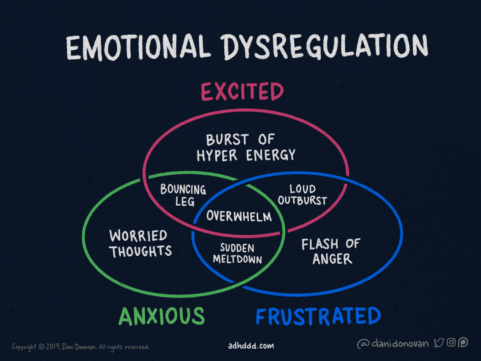
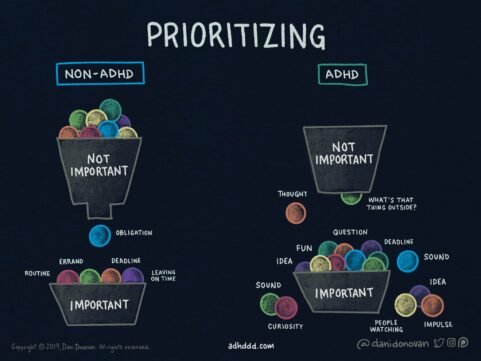
Many adults with ADHD aren’t aware they have it — they just know that everyday tasks can be a challenge. Adults with ADHD may find it difficult to focus and prioritize, leading to missed deadlines and forgotten meetings or social plans. The inability to control impulses can range from impatience waiting in line or driving in traffic to mood swings and outbursts of anger.
Though it’s called adult ADHD, symptoms start in early childhood and continue into adulthood. Core signs and symptoms of ADHD tend to start early in life — before age 12 — and continue into adulthood, creating major problems.
In some cases, ADHD is not recognized or diagnosed until the person is an adult. Adult ADHD symptoms may not be as clear as ADHD symptoms in children. In adults, hyperactivity may decrease, but struggles with impulsiveness, restlessness and difficulty paying attention may continue.
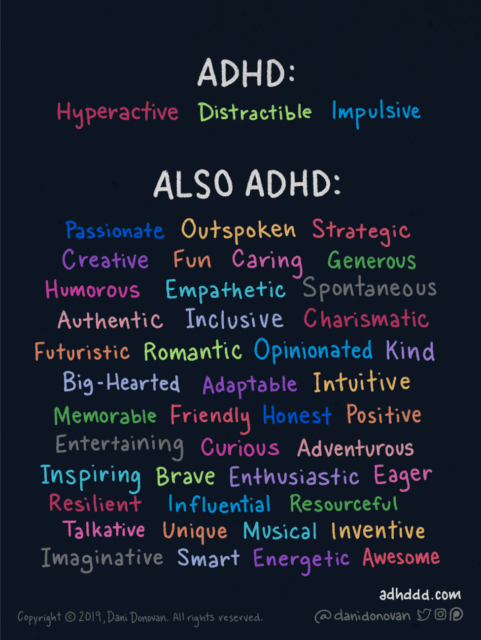
Adult ADHD symptoms may include:
- Impulsiveness
- Disorganization and problems prioritizing
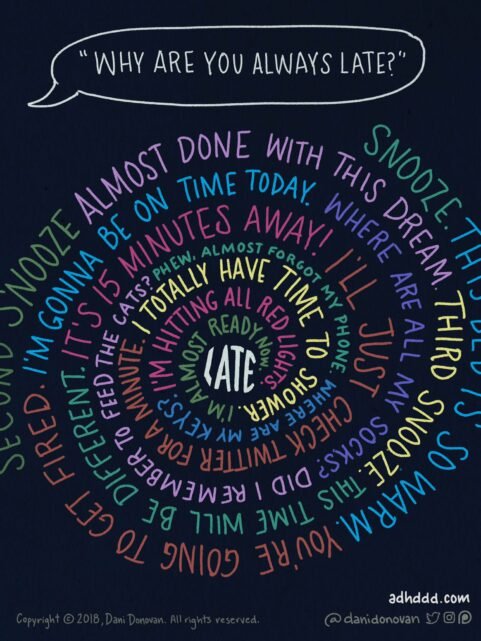
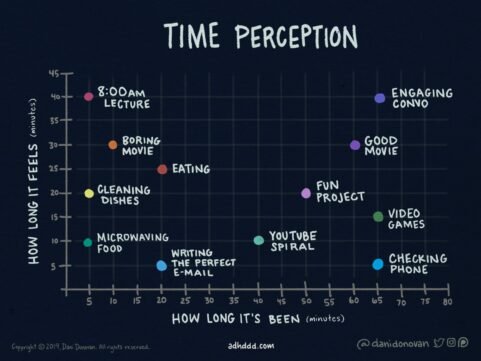
- Poor time management skills
- Problems focusing on a task
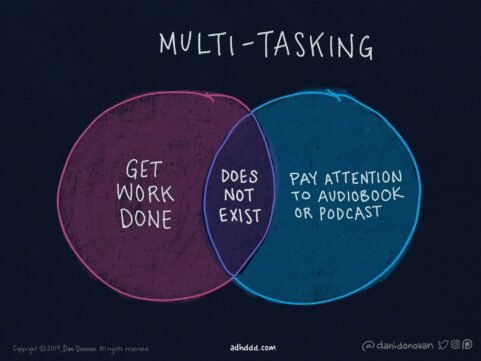
- Trouble multitasking
- Excessive activity or restlessness
- Poor planning
- Low frustration tolerance
- Frequent mood swings
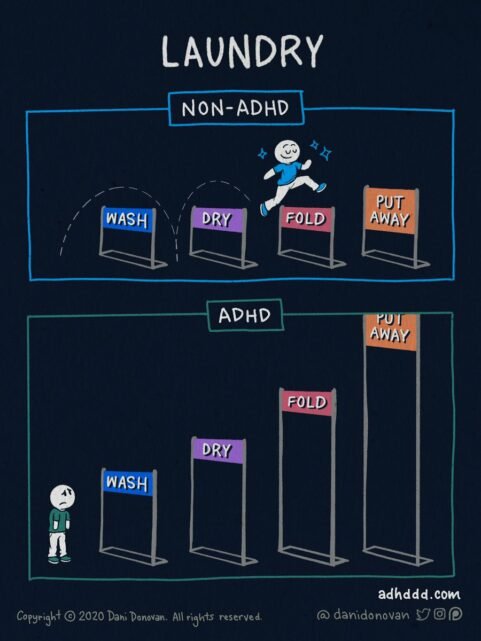
- Problems following through and completing tasks
- Hot temper
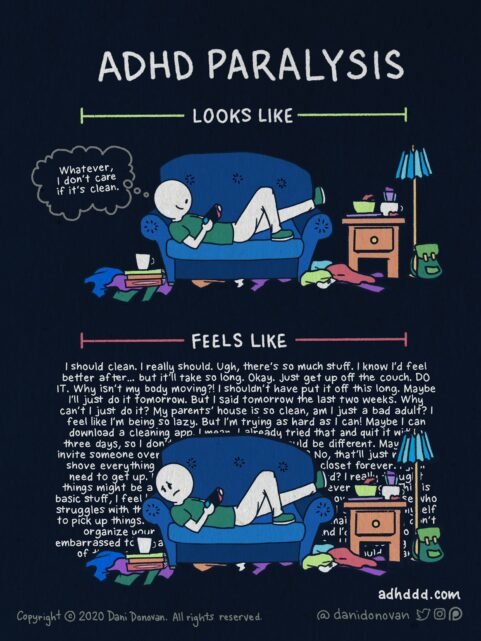
- Trouble coping with stress
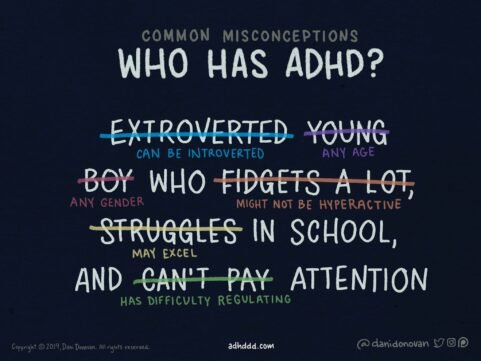
ADHD can make life difficult for you. ADHD has been linked to:
- Poor school or work performance
- Unemployment
- Financial problems
- Trouble with the law
- Alcohol or other substance misuse
- Frequent car accidents or other accidents
- Unstable relationships
- Poor physical and mental health
- Poor self-image
- Suicide attempts
No single test can confirm the diagnosis. Making the diagnosis will likely include:
- Physical exam to help rule out other possible causes for your symptoms
- Information gathering such as asking you questions about any current medical issues, personal and family medical history, and the history of your symptoms
- ADHD rating scales or psychological tests to help collect and evaluate information about your symptoms
If any of the symptoms listed above continually disrupt your life, talk to your doctor about whether you might have ADHD.
Different types of health care professionals may diagnose and supervise treatment for ADHD. Seek a provider who has training and experience in caring for adults with ADHD.
Coexisting conditions
Although ADHD doesn’t cause other psychological or developmental problems, other disorders often occur along with ADHD and make treatment more challenging. These include:
- Mood disorders. Many adults with ADHD also have depression, bipolar disorder or another mood disorder. While mood problems aren’t necessarily due directly to ADHD, a repeated pattern of failures and frustrations due to ADHD can worsen depression.
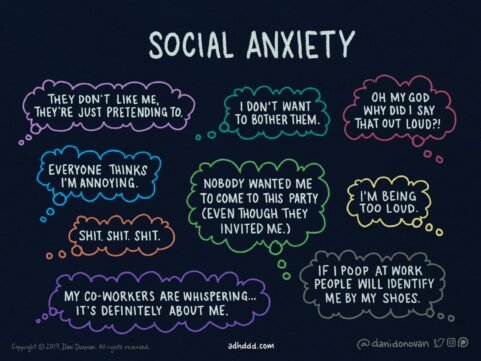
- Anxiety disorders. Anxiety disorders occur fairly often in adults with ADHD. Anxiety disorders may cause overwhelming worry, nervousness and other symptoms. Anxiety can be made worse by the challenges and setbacks caused by ADHD.
- Other psychiatric disorders. Adults with ADHD are at increased risk of other psychiatric disorders, such as personality disorders, intermittent explosive disorder and substance use disorders.
- Learning disabilities. Adults with ADHD may score lower on academic testing than would be expected for their age, intelligence and education. Learning disabilities can include problems with understanding and communicating.
Treatment for adult ADHD includes medications, psychological counseling (psychotherapy) and treatment for any mental health conditions that occur along with ADHD.
Causes
While the exact cause of ADHD is not clear, research efforts continue. Factors that may be involved in the development of ADHD include:
- Genetics – ADHD can run in families, and studies indicate that genes may play a role.
- Environment – Certain environmental factors also may increase risk, such as lead exposure as a child.
- Development – Problems with the central nervous system at key moments in development may play a role.

ADHD – has 3 main category types (Inattentive/ Hyperactive/ Combination)
Dr. Amen (Amen Clinics) has an online assessment helping to identify your ADHD into 7 sub classification groups, and how to better diagnose and assist your specific classification group.
7 Sub Classification Types:
Type 1 – Classic ADD
Type 2 – Inattentive ADD
Type 3 – Overfocused ADD
Type 4 – Temporal Lobe ADD
Type 5 – Limbic ADD
Type 6 – Ring of Fire ADD (ADD plus)
Type 7 – Anxious ADD
‼️Take the assessment here‼️ ⬇️
➡️ Addtypetest.com ⬅️
⬆️⬆️⬆️⬆️⬆️⬆️⬆️⬆️⬆️⬆️⬆️⬆️⬆️⬆️⬆️⬆️⬆️⬆️
ADHD Books and Resources
Recommended Reading:
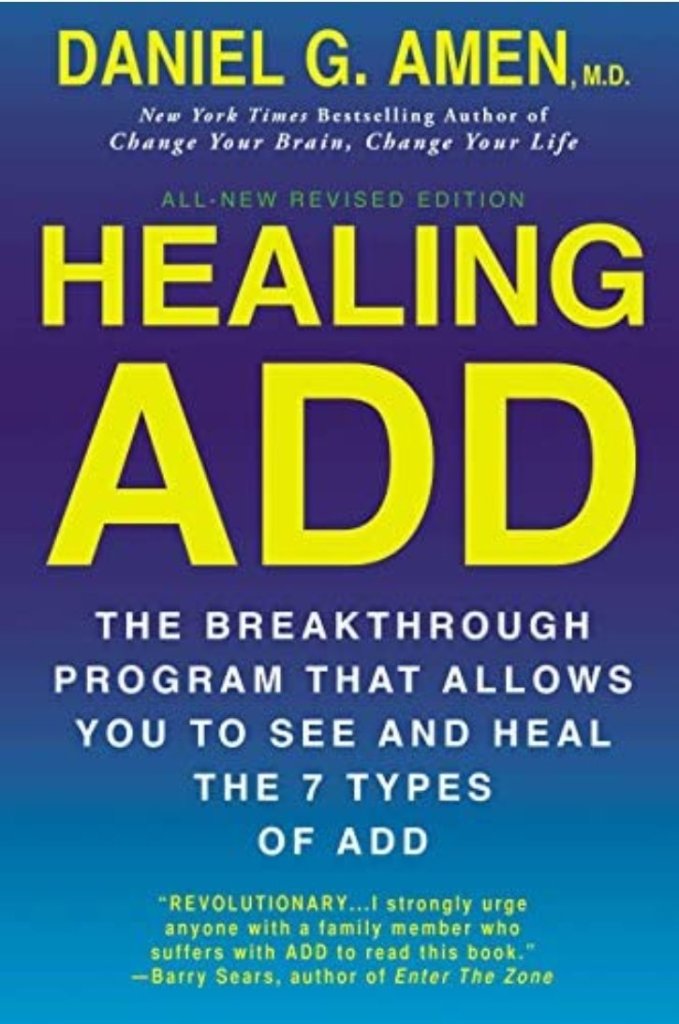
- Healing ADD: The Breakthrough Program that Allows You to See and Heal the 7 Types of ADD (link to Amazon here) https://a.co/d/bkkYfSp
- Atomic Habits by James Clear
- ADD and Your Money: A Guide to Personal Finance for Adults With Attention Deficit Disorder by Stephanie Moulton Sarkis
- The ADHD Effect on Marriage by Edward M. Hallowell
- Fast Minds: How to Thrive If You Have ADHD by Tim Bilkey
Resource Organizations:
- Children and Adults with ADHD (CHADD)
- ADDitude Magazine
- Bicycle Health – ADHD and Opioid Use
- Attention Deficit Disorder Association
- National Alliance on Mental Illness
- Mental Health America
Austism is a Spectrum
⬇️⬇️⬇️⬇️⬇️⬇️⬇️⬇️⬇️⬇️⬇️⬇️⬇️⬇️⬇️⬇️⬇️
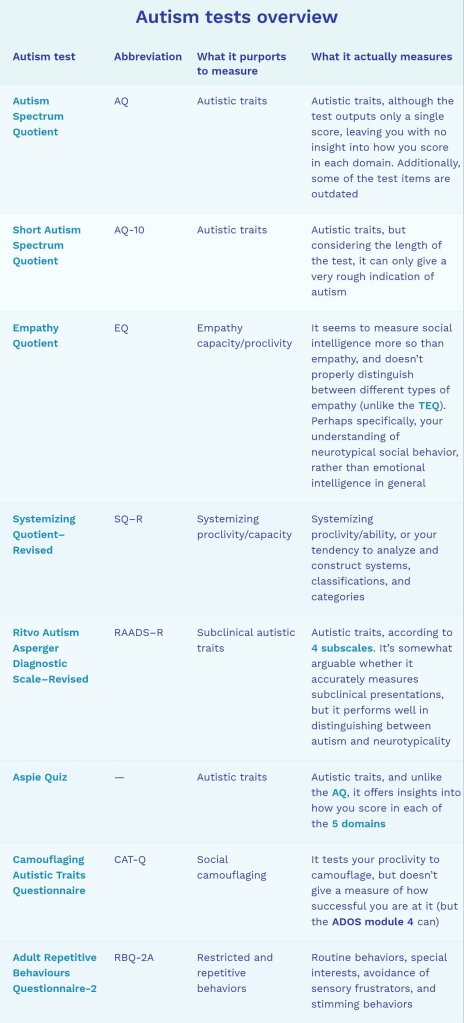
Assessments found here
Summary of Assessments https://embrace-autism.com/a-summary-of-the-autism-tests-and-scores/
Ritvo Autism Asperger Diagnostic Scale–Revised (RAADS-R) https://embrace-autism.com/raads-r/
Autism Spectrum Quotient (AQ) https://embrace-autism.com/autism-spectrum-quotient/
Short Autism Spectrum Quotient (AQ-10) https://embrace-autism.com/aq-10/
Empathy Quotient (EQ) https://embrace-autism.com/empathy-quotient/
Systemizing Quotient–Revised (SQ-R) https://embrace-autism.com/systemizing-quotient-revised/
Aspie Quiz https://embrace-autism.com/aspie-quiz/
Adult Repetitive Behaviours Questionnaire-2 (RBQ-2A) https://embrace-autism.com/rbq-2a/
Camouflaging Autistic Traits Questionnaire (CAT-Q) https://embrace-autism.com/cat-q/
Monotropism assessment (MQ)
https://sachscenter.com/monotropism-and-autism/
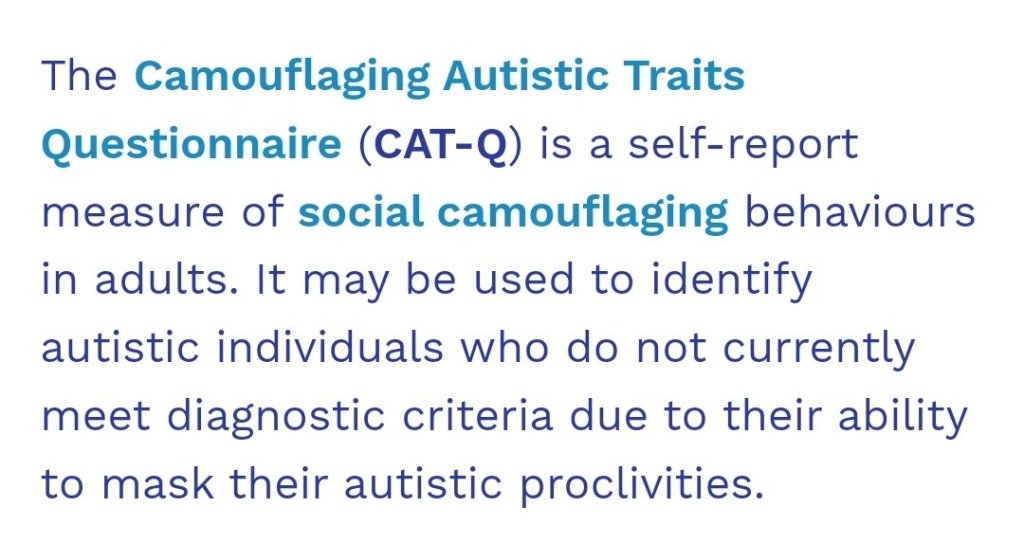
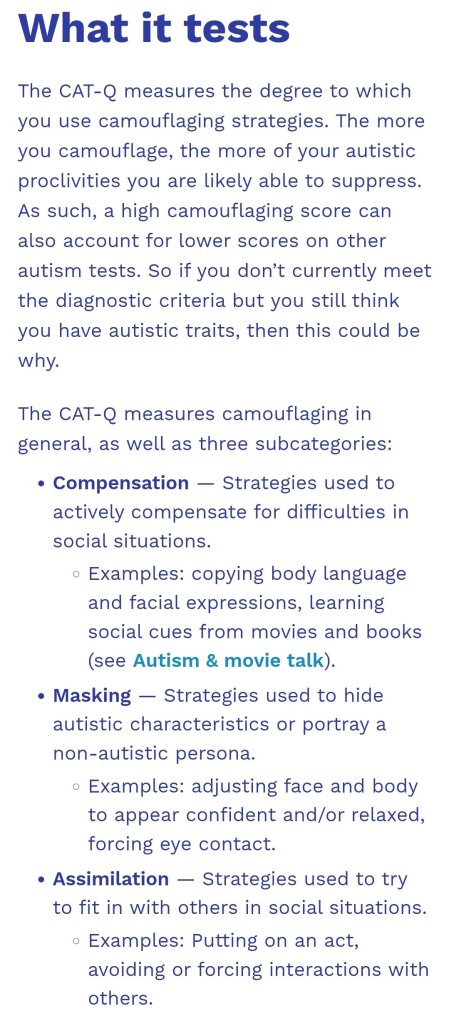
(CAT-Q) – Camouflaging Autistic Traits Questionnaire (Masking)
To learn more https://embrace-autism.com/cat-q/
Take the test here https://embrace-autism.com/cat-q/#test
Disclaimer: this page is not meant to diagnose or treat any conditions, it is to help provide knowledge and educational direction for those who may have or feel they may have any neurodiversity, Please speak with your doctor about diagnosis and treatment.

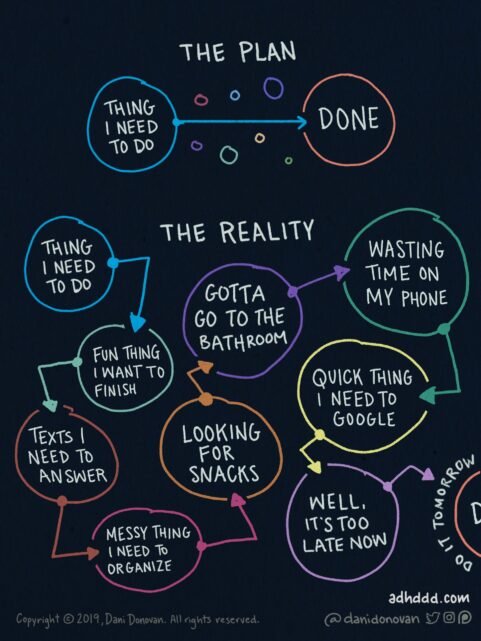
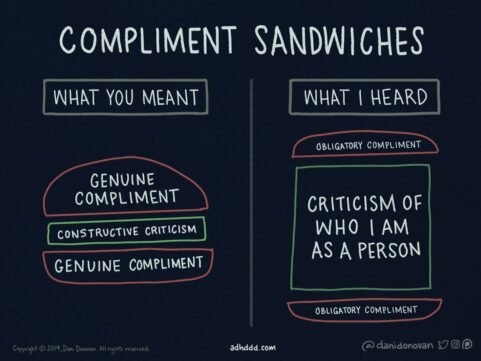
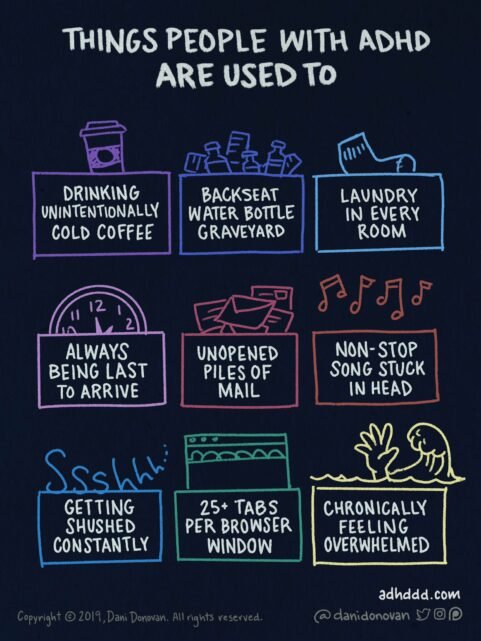
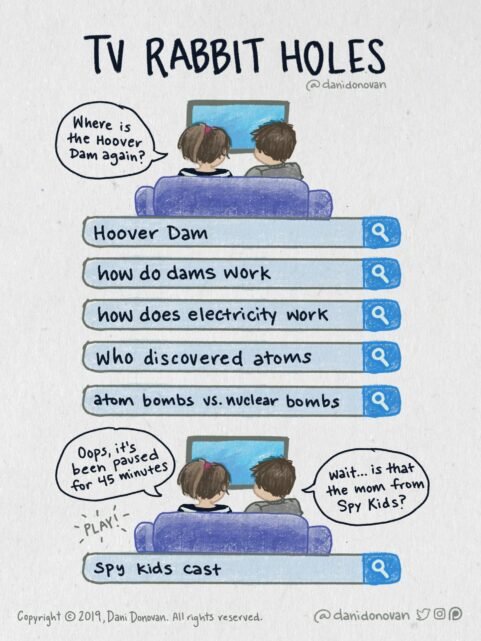
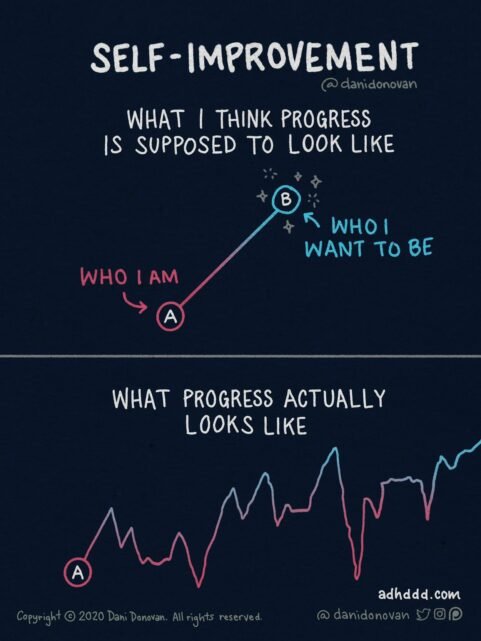
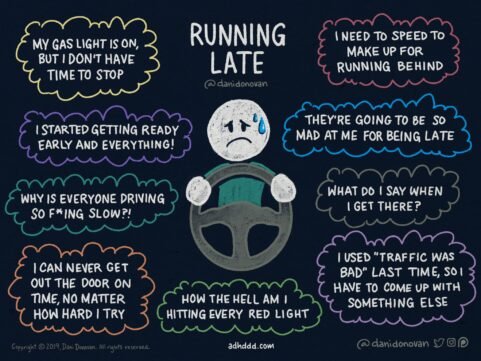
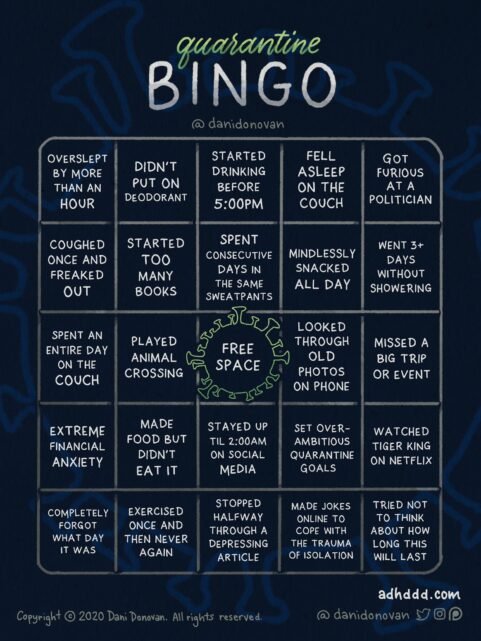
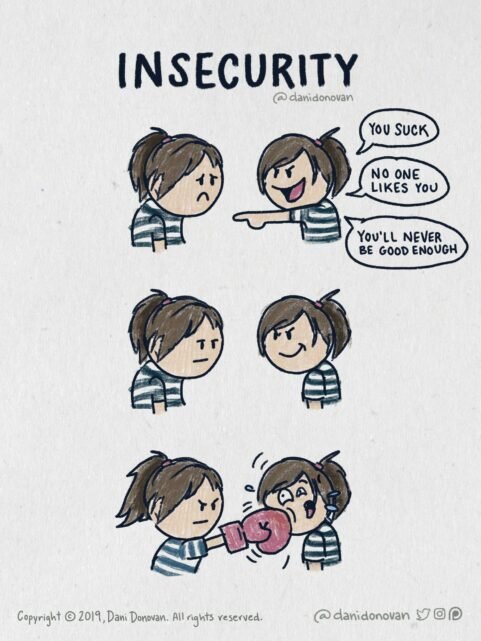
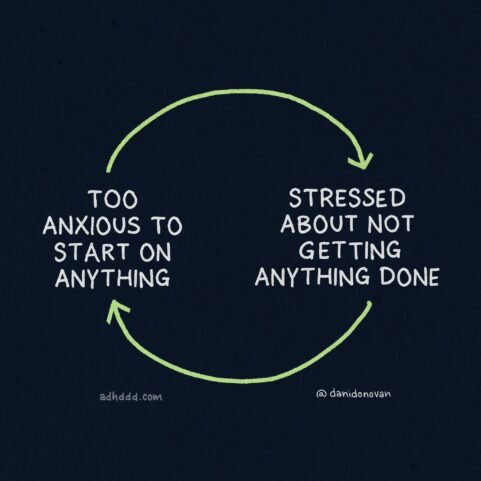
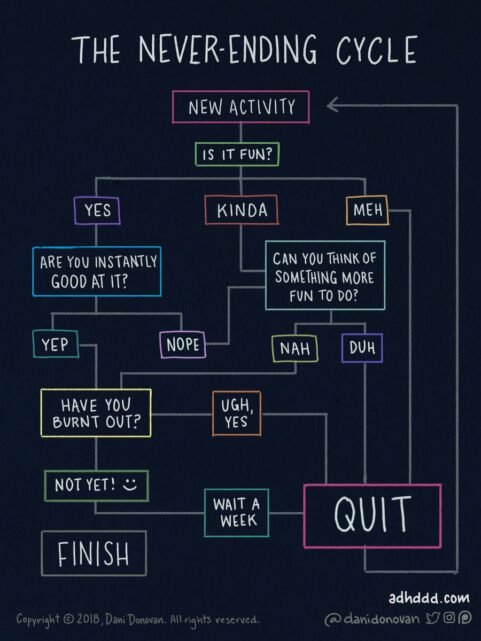
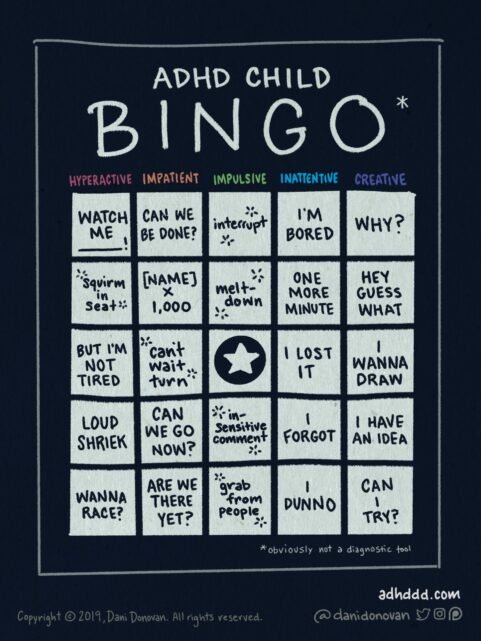
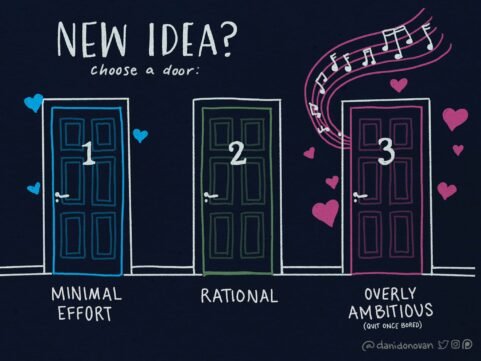
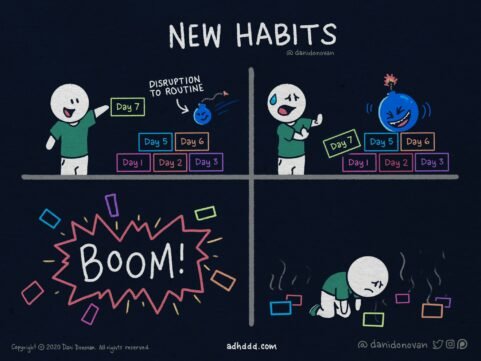
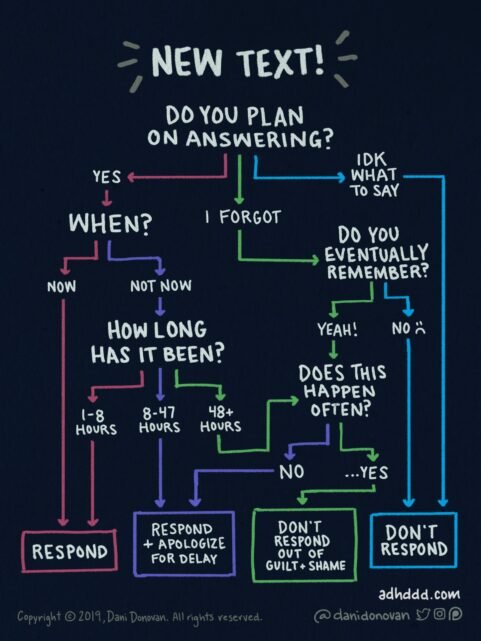
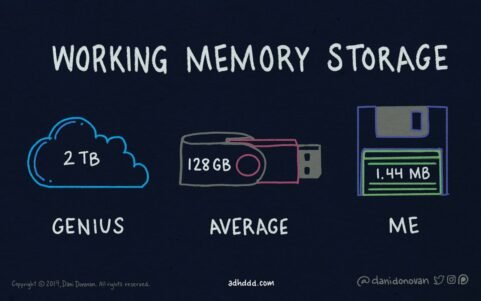
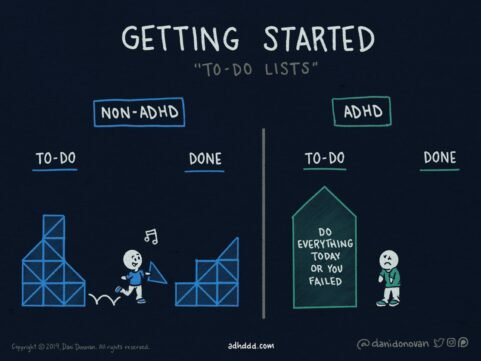
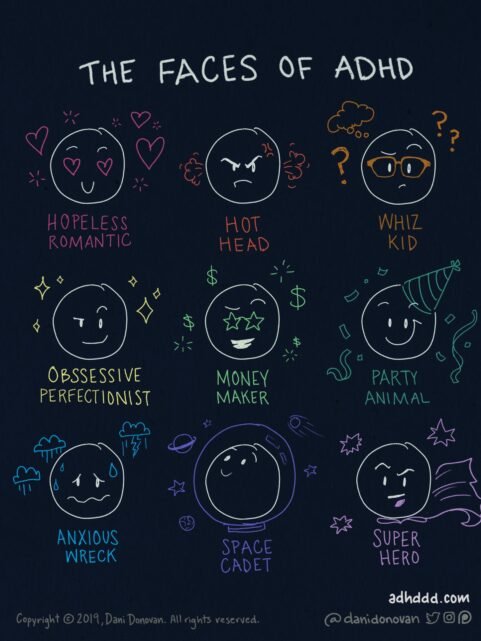
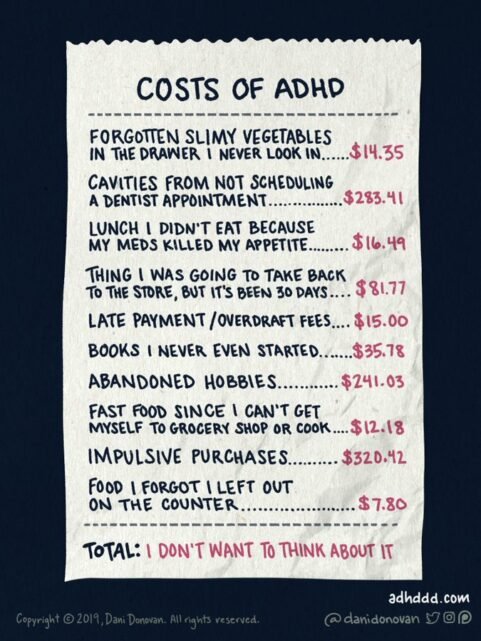
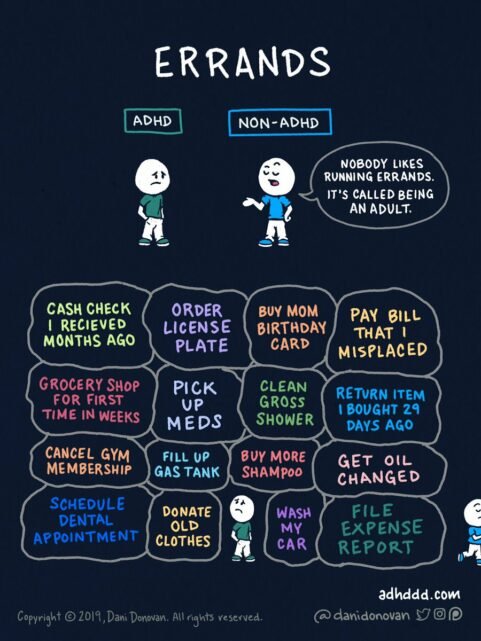
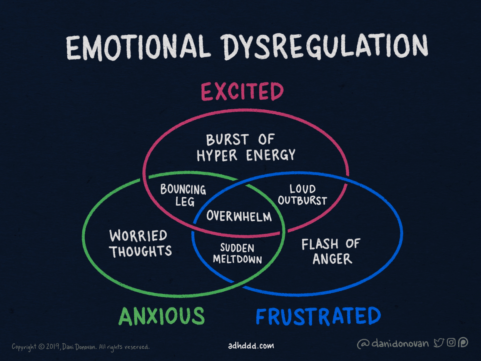
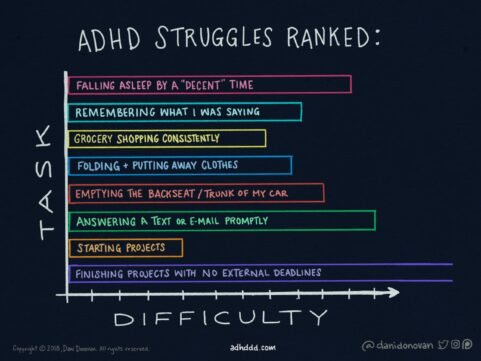
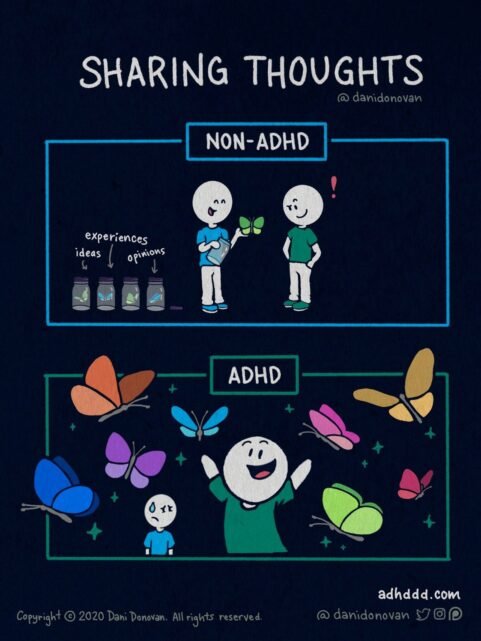
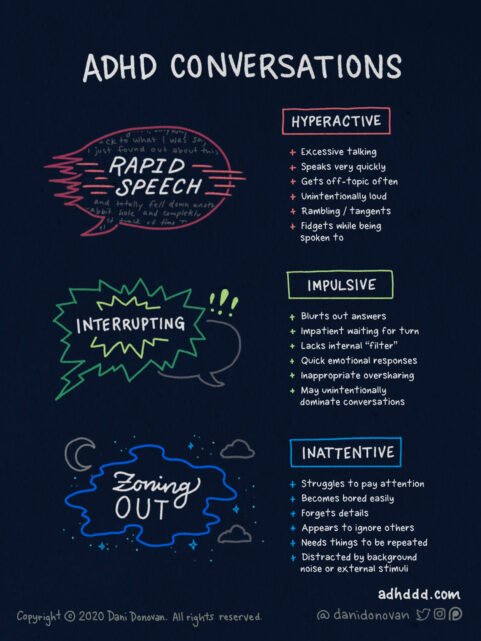
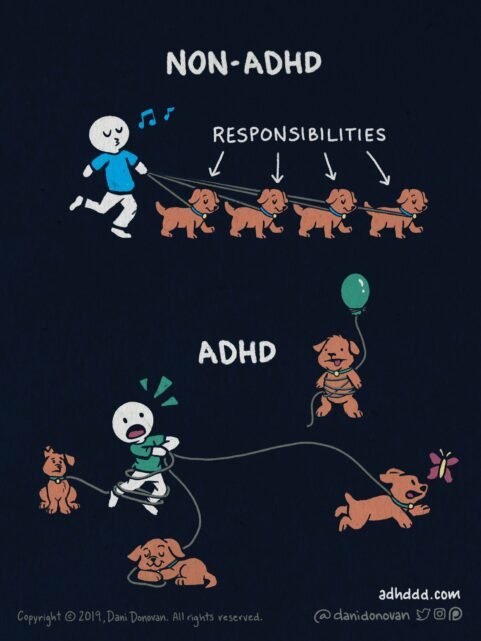
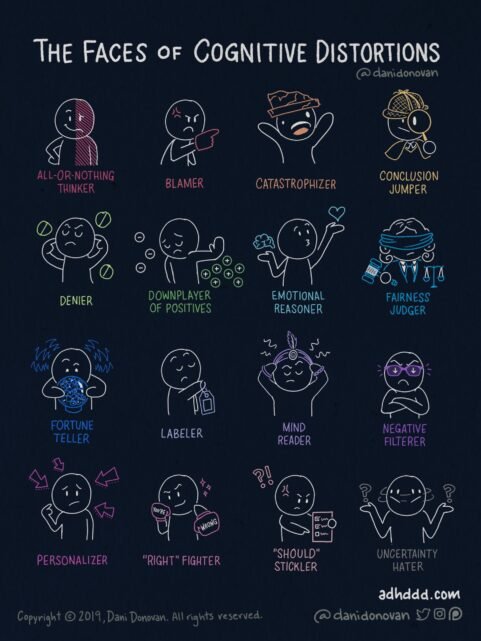
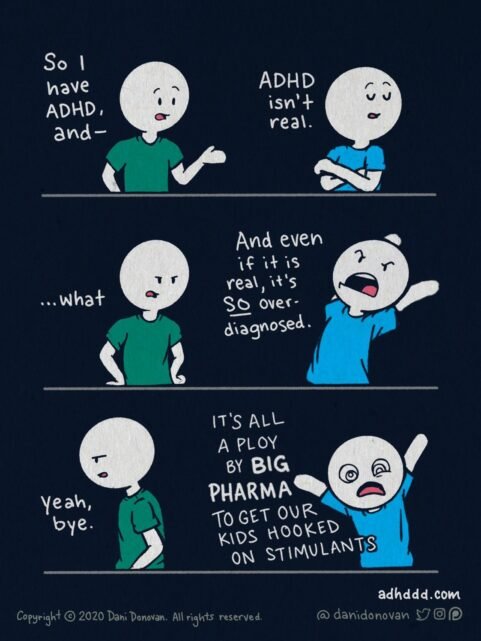
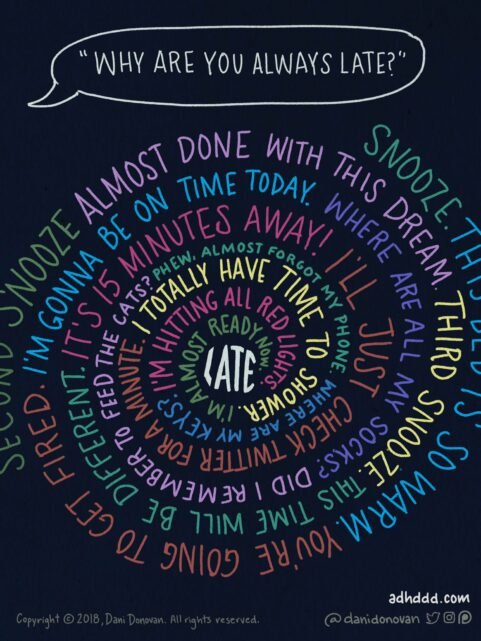
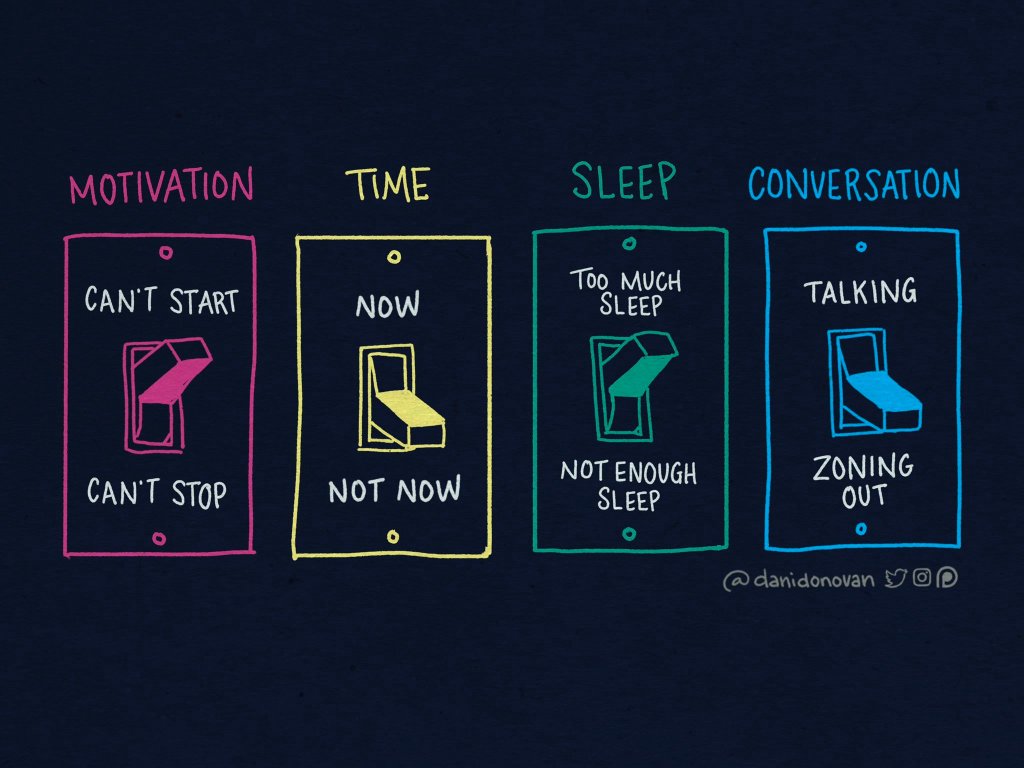
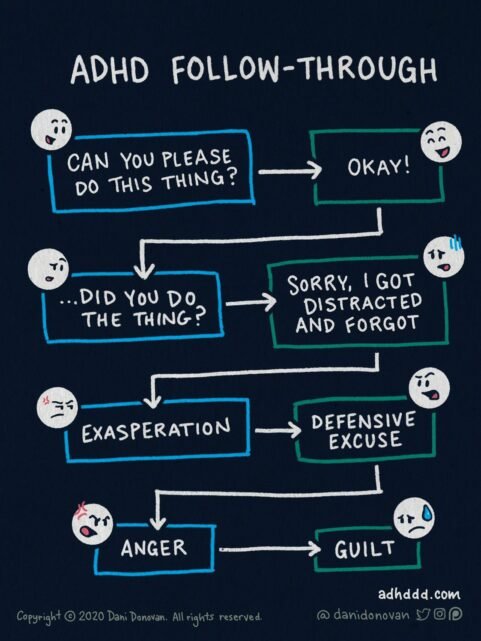
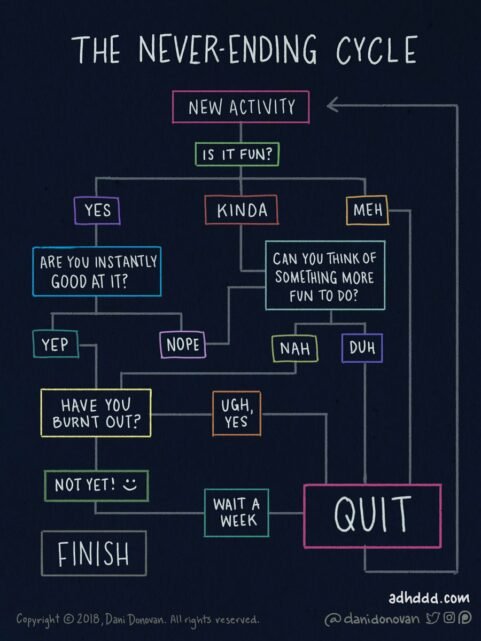
She has the most amazing “anti planner”and awesome adhd cartoons! cartoons
https://www.adhddd.com/comics/




 Phoenix Evolution