
The Root Cause Approach: The Path to Lasting Health
In a world where quick fixes and symptom management dominate healthcare, functional health aims to uncover and address the deeper reasons behind illness. This method, often referred to as the root cause approach, seeks to resolve health challenges at their source rather than merely masking the symptoms.
What Is Holistic Medicine? Functional Medicine? the Root Cause Approach?
At its core, its about asking WHY.
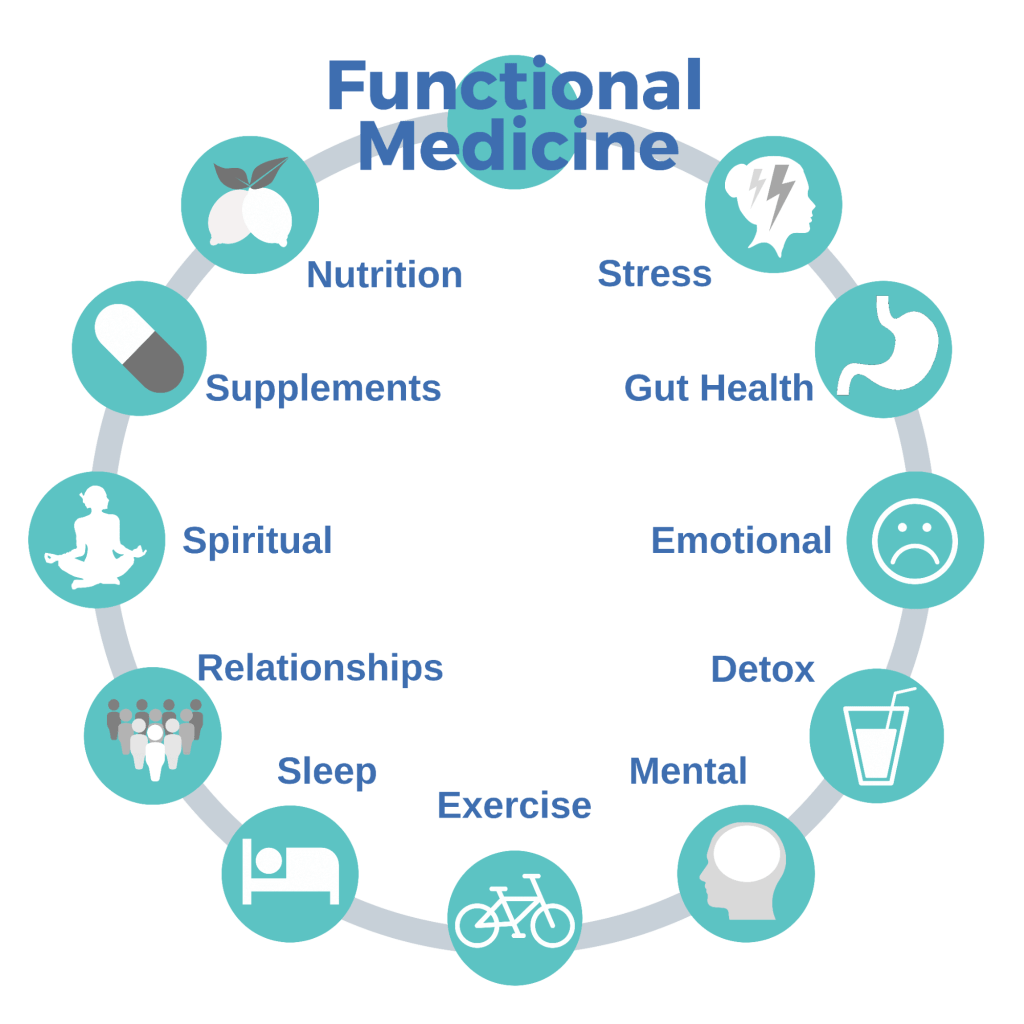
Why are you experiencing fatigue, digestive issues, or chronic pain? Instead of focusing solely on the outward manifestation (symptom) of a problem, this method investigates the underlying imbalances or dysfunctions in the body that contribute to these symptoms.
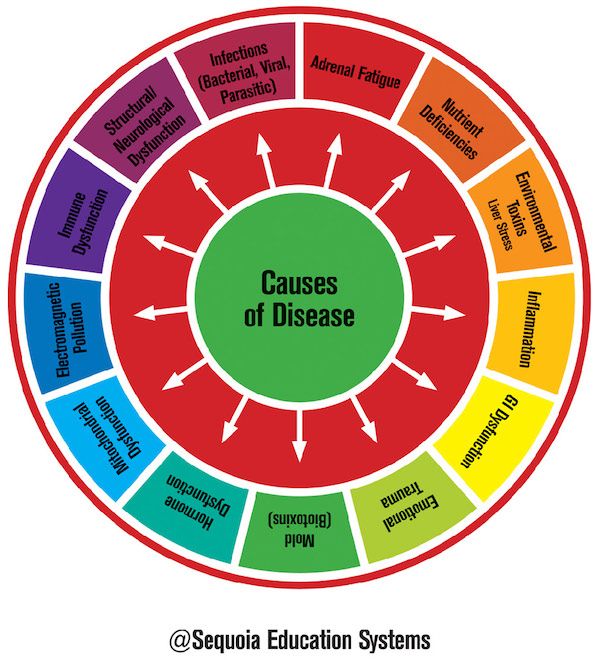
This approach views the body as an interconnected system, where seemingly unrelated symptoms might stem from the same root issue. For example, persistent migraines and digestive problems might both point to inflammation or food sensitivities.
The Foundation of the Approach
1. Holistic Perspective: The body, mind, and environment are interconnected. A root cause approach considers all aspects of your life—physical, mental, emotional, and environmental—to identify triggers and imbalances.
2. Individualized Care: Every person is unique, so treatments should be, too. Factors like genetics, lifestyle, and stress levels all influence health, making personalized care essential.
3. Prevention and Longevity: By addressing the root cause, this approach not only resolves current issues but also prevents future problems, promoting long-term health and vitality.
How It Works
A root cause approach often begins with a deep dive into your health history and lifestyle. Practitioners may use a combination of:
Advanced Testing: To identify hidden imbalances, such as nutrient deficiencies, hormone levels, or gut health issues.
Lifestyle Assessment: Examining factors like sleep, diet, stress, and physical activity.
Environmental Review: Considering exposure to toxins, allergens, or other external factors that might contribute to illness.
The findings guide a personalized plan, which may include dietary adjustments, stress management techniques, supplements, or other therapeutic interventions aimed at restoring balance.
The Benefits of Addressing the Root Cause
1. Long-Term Relief: By resolving the root issue, symptoms are less likely to return.
2. Empowered Health: Patients gain a deeper understanding of their bodies and learn how to support their well-being.
3. Improved Quality of Life: Addressing the source of discomfort often leads to increased energy, better mood, and overall vitality.
Who Can Benefit?
The root cause approach is especially beneficial for those with chronic conditions, such as autoimmune disorders, digestive issues, hormonal imbalances, or persistent fatigue. It’s also ideal for individuals seeking preventative care or wanting to optimize their health.
Why It Matters
Our current healthcare system excels in managing acute emergencies, but chronic conditions require a different mindset. The root cause approach fills this gap by focusing on long-term healing and prevention. It’s not about a quick fix; it’s about building a foundation for sustainable health.
A Call to Action
If you’re tired of temporary solutions and ready to invest in your health, exploring the root cause approach could be the answer. By addressing the “why” behind your symptoms, you can reclaim your health and embrace a life of balance and vitality.
Your body has the innate ability to heal when given the right tools and support.

 Phoenix Evolution